What’s a Normal Deposit and Payment Schedule for Custom Cabinets?
Ours is fifty, forty, ten. Fifty percent when you sign the contract. Forty percent seventy-two hours before we deliver. Ten percent when every item on the punch list is closed.
That’s the answer. The more useful thing is why it’s split that way, because the split tells you what a cabinet shop is actually doing with your money — and whether it’s the kind of shop you want to be doing it.
What each payment actually buys
The first fifty percent pays for your materials and your shop drawings. All of it — the sheets, the hardware, the drawing time from our design and engineering team. By the time we start manufacturing your job, everything it’s made of has already been bought and paid for. Nothing about your kitchen depends on the next client’s deposit arriving. That is the entire point of a front-loaded deposit, and it’s the reason we don’t order a thing until you’ve approved your drawings.
The forty percent covers the manufacturing labor and the start of your installation. By the time it’s due, real people have spent real weeks building your job.
The last ten percent covers what’s left of the manufacturing and installation labor — and it’s where we earn on the job. We think that’s worth saying plainly, because it’s the part that protects you. Our profit on your kitchen is the last money to arrive, and it doesn’t arrive until you’ve walked through the finished work and told us every item on the list is closed. There is no version of this where we’re paid in full and you’re still waiting on a drawer that doesn’t sit right.
Why the forty percent lands before the truck does
This is the one that surprises people, so here’s the honest reason.
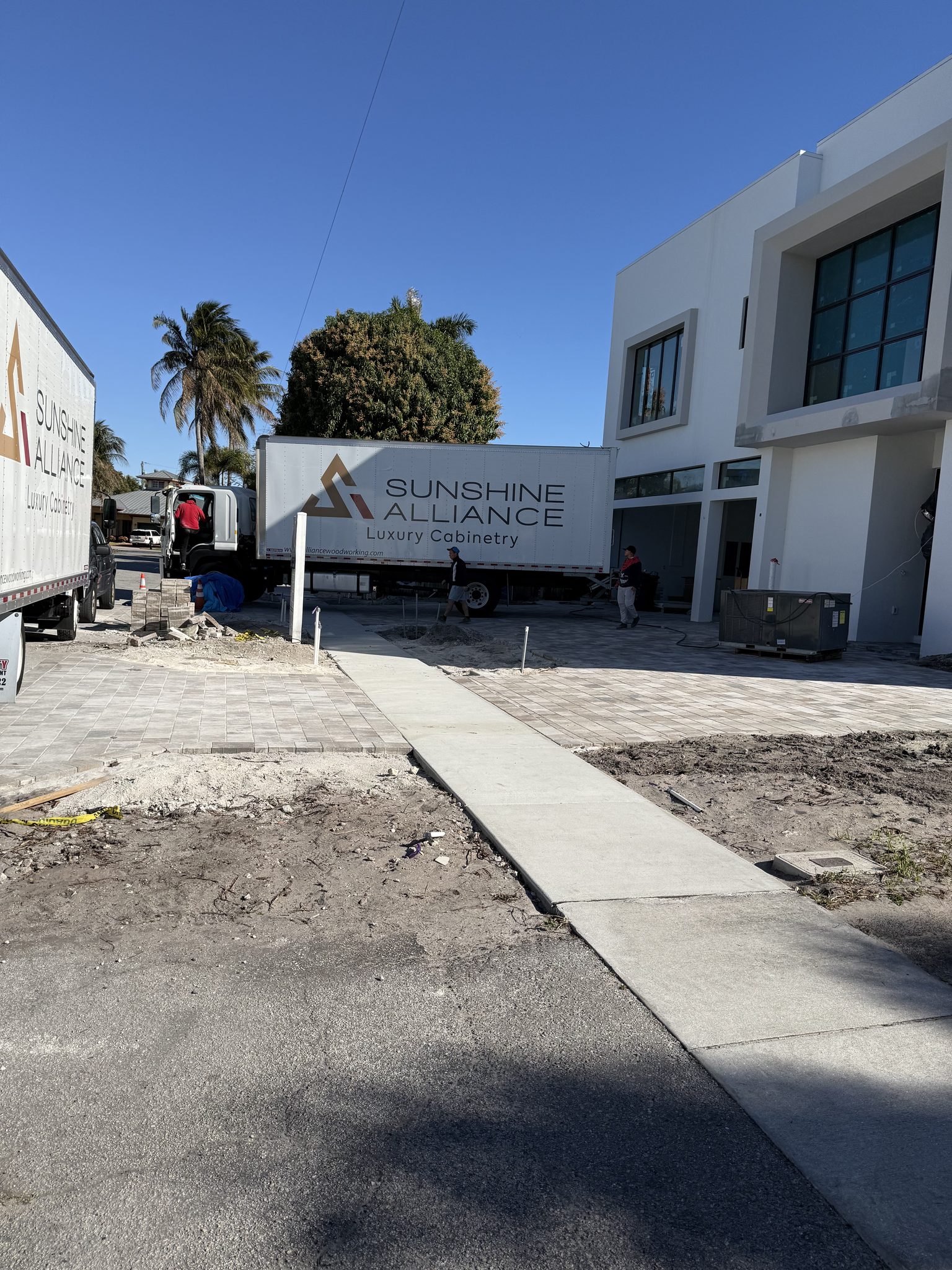
The moment we deliver your cabinets, they’re yours. Not ours. They’re in your house, in your possession, under your roof and your contractor’s care. From that point forward we have no leverage on the project and no control over what happens to the goods — securing the house and what’s in it is the builder’s or general contractor’s responsibility, and our contract says so.
So the money moves before the ownership does. That isn’t a shop protecting itself at your expense; it’s the same line drawn on both sides. Before delivery, the risk is entirely ours. After delivery, it’s entirely yours. The payment sits exactly on that line.
The timeline nobody explains
Here’s where expectations usually go sideways, and it has nothing to do with the cabinets.
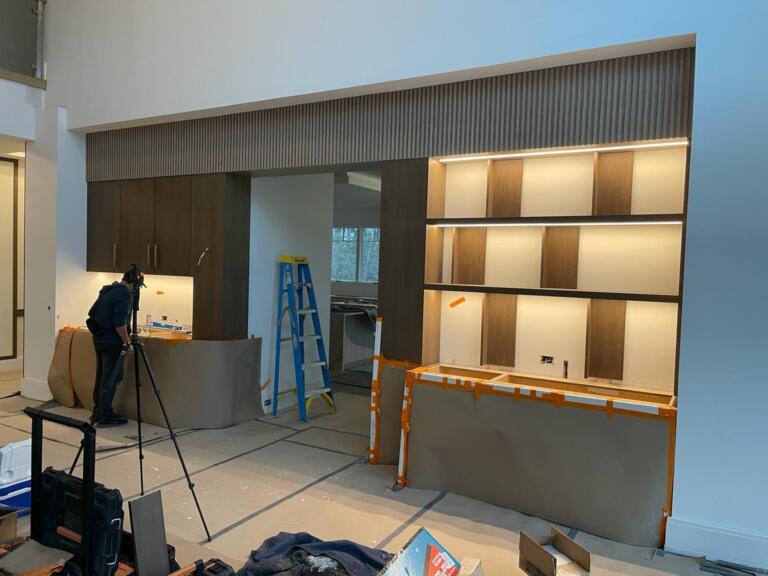
We deliver, and depending on the size of the job the install crew arrives that same day or the next morning — we prefer the next morning, so the delivery crew has time to sort everything into its room, get it in position, and leave the space clean and ready to work in. Then we install everything we can: uppers, bases, the whole run.
And then you wait, but not on us. The countertop company comes to template and fabricate, and that’s usually three to four weeks. The appliances arrive after that. Only once those are in can we come back, fit the appliance panels and the handles, make the final adjustments, and walk the job with you.
From the end of our installation to that final walk-through is typically four to six weeks. That’s when the punch list gets closed and the last ten percent is written. If a shop hands you a schedule where the final payment lands the day the boxes go on the wall, they’ve either never done this or they’re not planning to come back.
The queue is the tell

Here’s the part most buyers get exactly backwards.
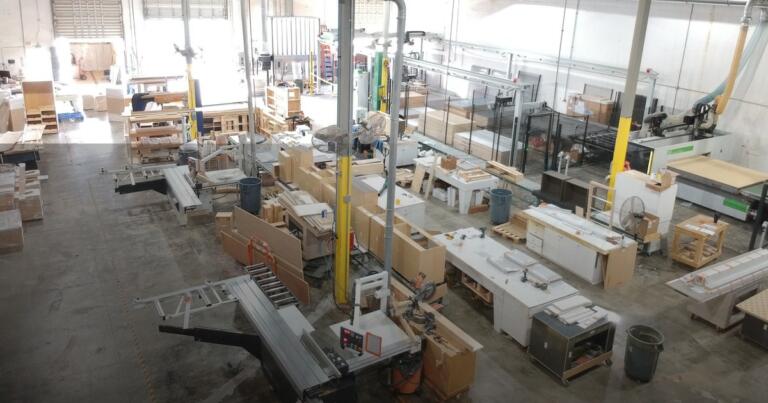
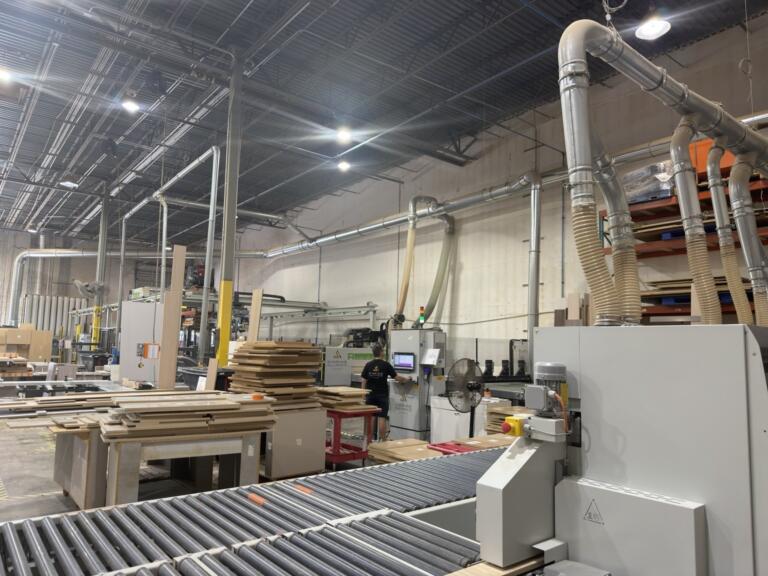
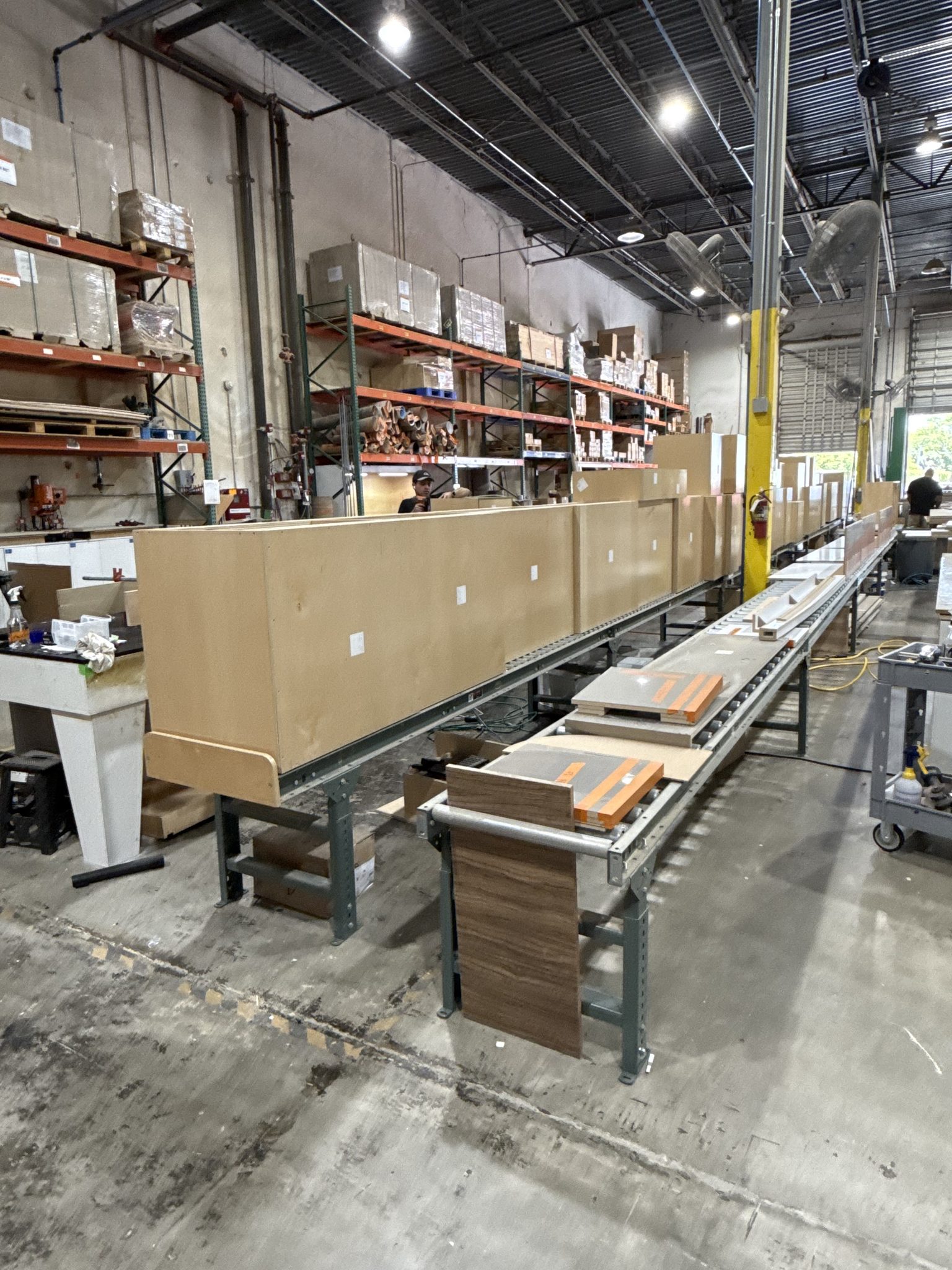
Walk into a cabinet shop on a Tuesday. Not the showroom — the floor. Are machines cutting? Is material moving? Are there trucks going in and out, cabinets going up, people at stations? It doesn’t matter that none of it is yours. What matters is that it exists.
If you walk a floor mid-week and it’s quiet, that shop has no work. In this economy, in South Florida, that is not a coincidence and it is not bad luck. A decent shop here has work. A good one has a queue.
Which means the shop that offers to start your full house next week is telling you something about itself. We wouldn’t take a deposit today and start a new-construction house within the week — it wouldn’t physically fit in our schedule. Our lead time runs eight to fourteen weeks from the day your shop drawings are approved. That’s not us being difficult. It’s what it takes to give your job the same run through the same shop as the job on the floor today.
And you’re welcome to come see it. Any Monday, any week, while you’re waiting. That cycle doesn’t stop.
For builders, developers, and designers
The schedule above is the homeowner’s. Trade works differently, but not immediately.
With builders and developers we’ve worked with over years, we run terms — Net 30, Net 60, sometimes something in between, depending on the contract and the pay cycle. We can carry that because we’re structured to carry it. A shop that can’t absorb a sixty-day cycle will stall in the middle of your project, and you’ll find out at the worst possible moment.
But a builder walking through our door today doesn’t get terms, referral or not. Same respect, same schedule: fifty, forty, ten. After three or four completed projects together, when we know how you build and you know how we build, we’ll extend them.
If that sounds cautious, consider what it means from the other side. The shop protecting itself from an unproven builder is the same shop that will still be standing when your job is halfway through.
Where this lands
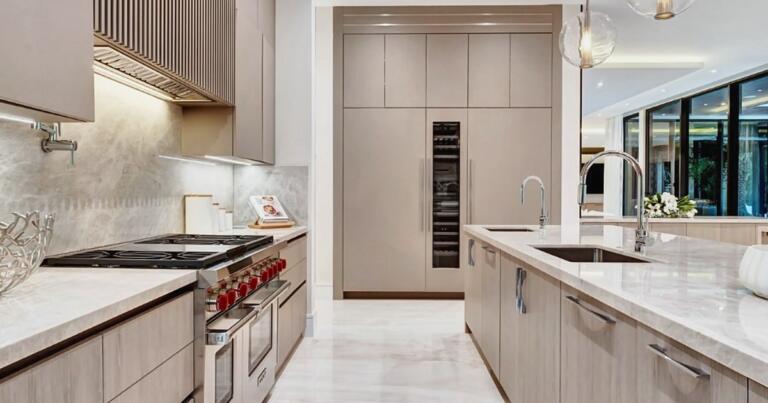
We draw it, we engineer it, we build it, we finish it, and we install it — all in one place. Everything we make, we make ourselves, and we stand behind all of it. The payment schedule is just that arrangement written down: you pay for the work as the work happens, and the last of it isn’t ours until you say the job is done.
If you want to see where your fifty percent would actually go before you commit it, come stand in the shop while it’s running. We’d rather you did.
Have a custom kitchen cabinet project in front of you? Come see the floor first.